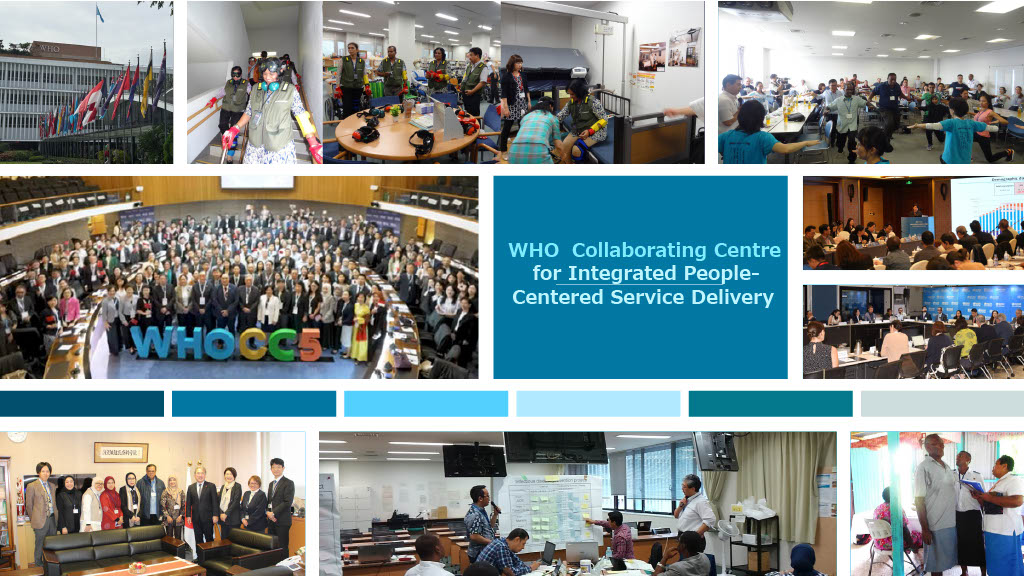
WHO Collaborating Centre for Integrated People-Centered Service Delivery (JPN-50)
Background
Since 1986, the National Institute of Public Health (NIPH), as the successor to the National Institute of Health Services Management, has been designated as a WHO Collaborating Center. Since 2002, as a center for Integrated People-Centred Service Delivery, NIPH has been advancing activities with the following objectives, leveraging its organizational mission of policy research and expertise in human resource development for national and local governments both domestically and internationally.
Objectives of the Centre(Since 2002)
- To support WHO in technical assistance on service delivery models for active ageing and NCDs control and Health Technology Assessment in Western Pacific countries including Japan.
- To develop a hospital performance monitoring indicators compendium
- To support WHO’s work towards preparing and conducting a training workshop for Member States on Primary Health Care, active ageing, NCDs control, hospital management and health care quality and safety.
Activities
Human resourse development(HDR)
- The NIPH training program adopts a co-creation approach, aiming to develop human resources grounded in strengthening creativity and collaboration. It supports participants in analyzing the current social conditions and challenges in their respective countries and in formulating policies as solutions.
- Training is conducted to learn from the achievements and lessons of Japan’s initiatives—such as achieving universal health coverage, extending healthy life expectancy, combating NCDs through community-participatory health promotion policy, and addressing health disparities and super-aging societies—and to contribute to policy development in countries across the WPRO region.
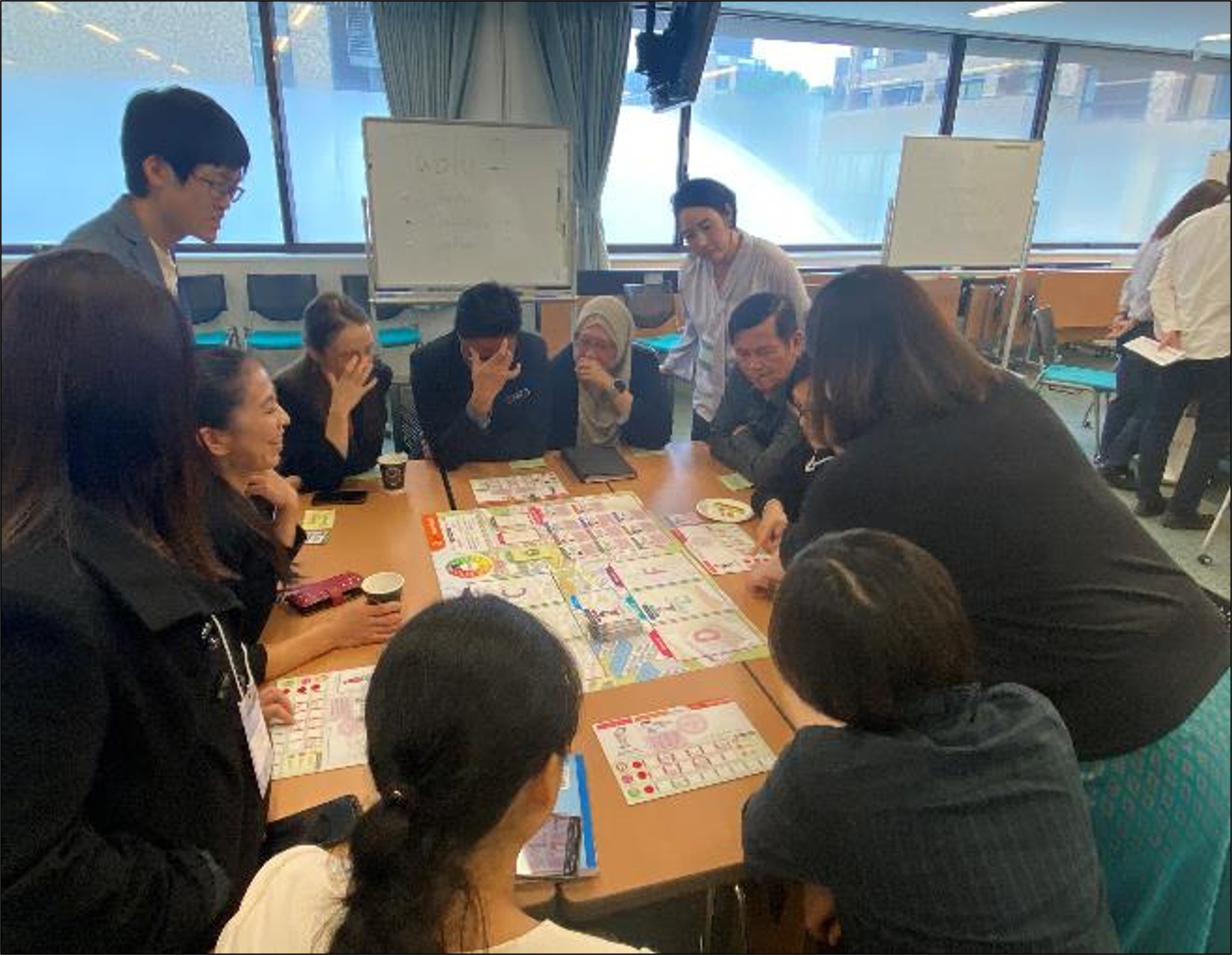
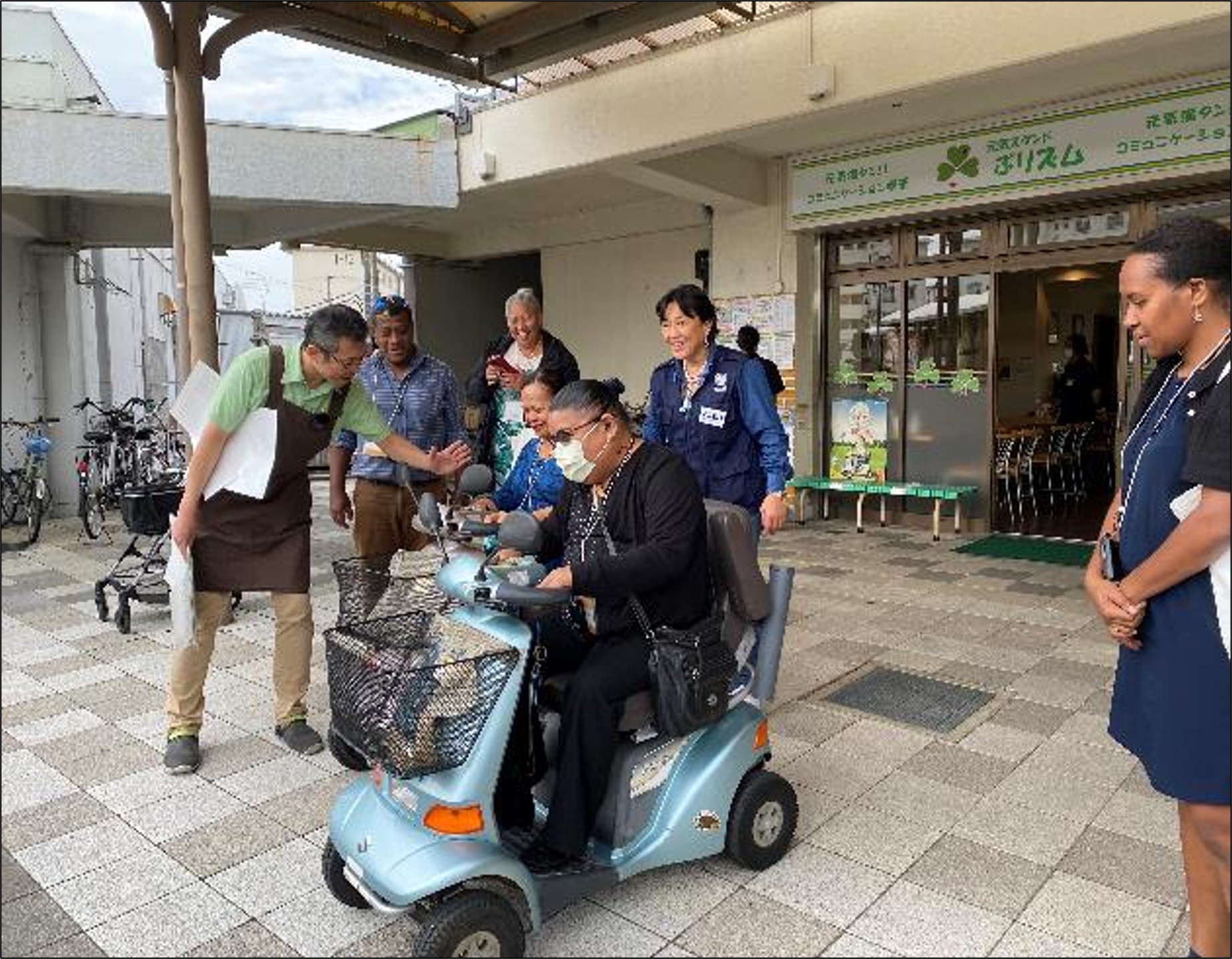
Turning Silver into Gold: Capacity-building Workshop for Starting Community-based Integrated Care (25-29 September 2023 at NIPH with WHO/WPRO)
https://iris.who.int/items/e22f68db-075a-4c28-8afc-0b2cb2c854f8
The main objective of the workshop was to enhance knowledge on healthy ageing – specifically, on how to start community-based integrated care by organizing person-centred health, social and long-term care services.
Participants’ countries
- Brunei Darussalam,
- Cambodia,
- China,
- Cook Islands,
- Malaysia,
- Mongolia,
- Palau,
- Philippines,
- Vanuatu, Vietnam
Programme
【Lecture】
- Overview of population ageing, demographic changes, and societal Impacts
- Concept of the community-based integrated care system
- Japan’s ageing policy for ageing
【 Exercise】
- Responding to community needs
【Site visit】
- Implementation of community-based integrate care (Country Presentations)
- Ageing Policy in the Western Pacific Region
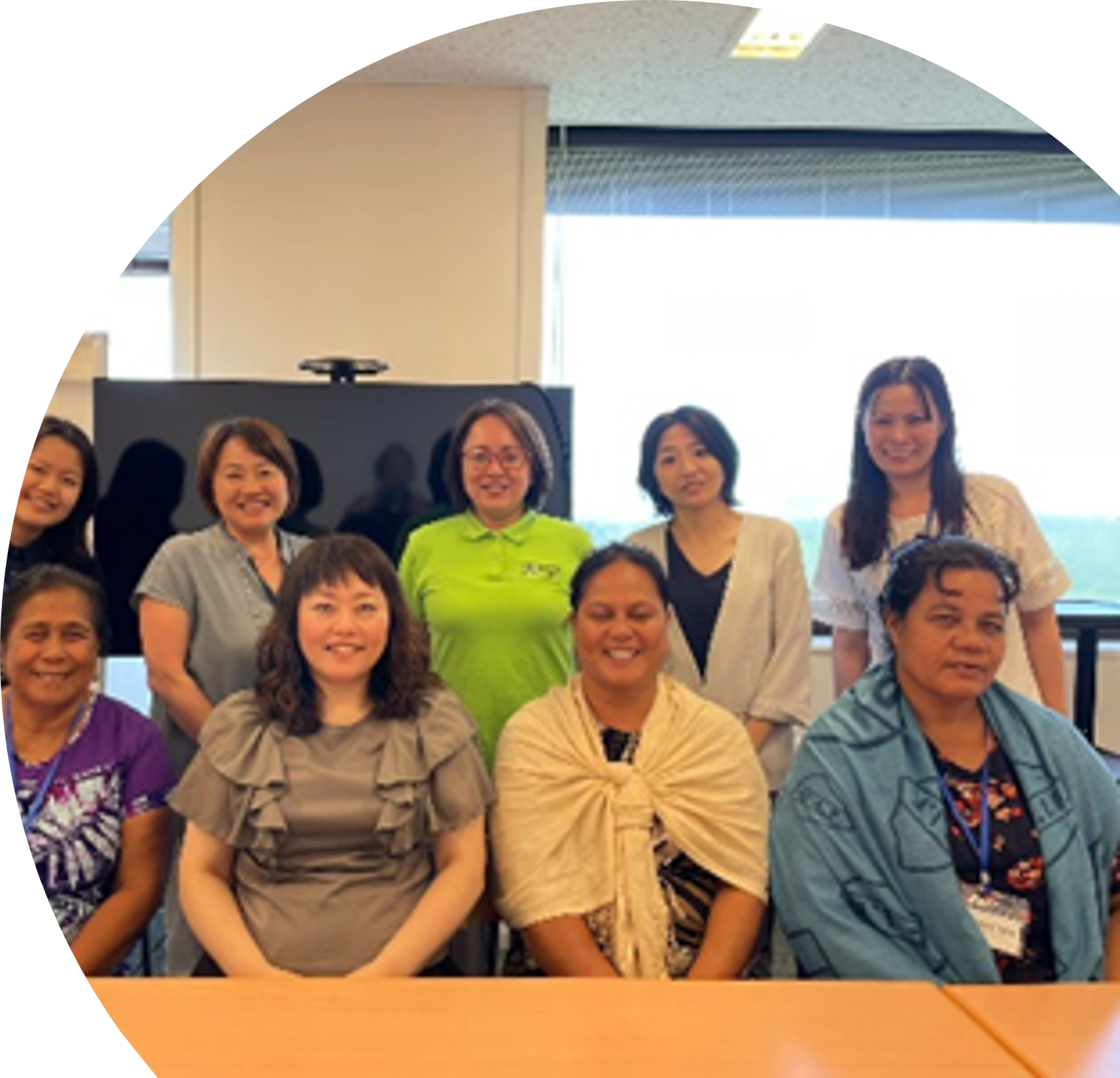
KAIKETSU(problem solving ) program training of trainer for nursing officers in Kiribati(2024)
NIPH hosted three nursing officers for two days within the overall two-week training.
- Overview of NIPH and Japanese medical and health system
- Team building
- Nursing management and organizational management
Regional workshop on strengthening Leadership and Advocacy for the Prevention and Control of Noncommunicable Diseases (LeAd-NCD)(2005-2018)
Different theme on NCD prevention and control each year
- NCD risk screening,
- Diabetes and nutrition,
- Occupational health,
- Childhood obesity
- Healthy city
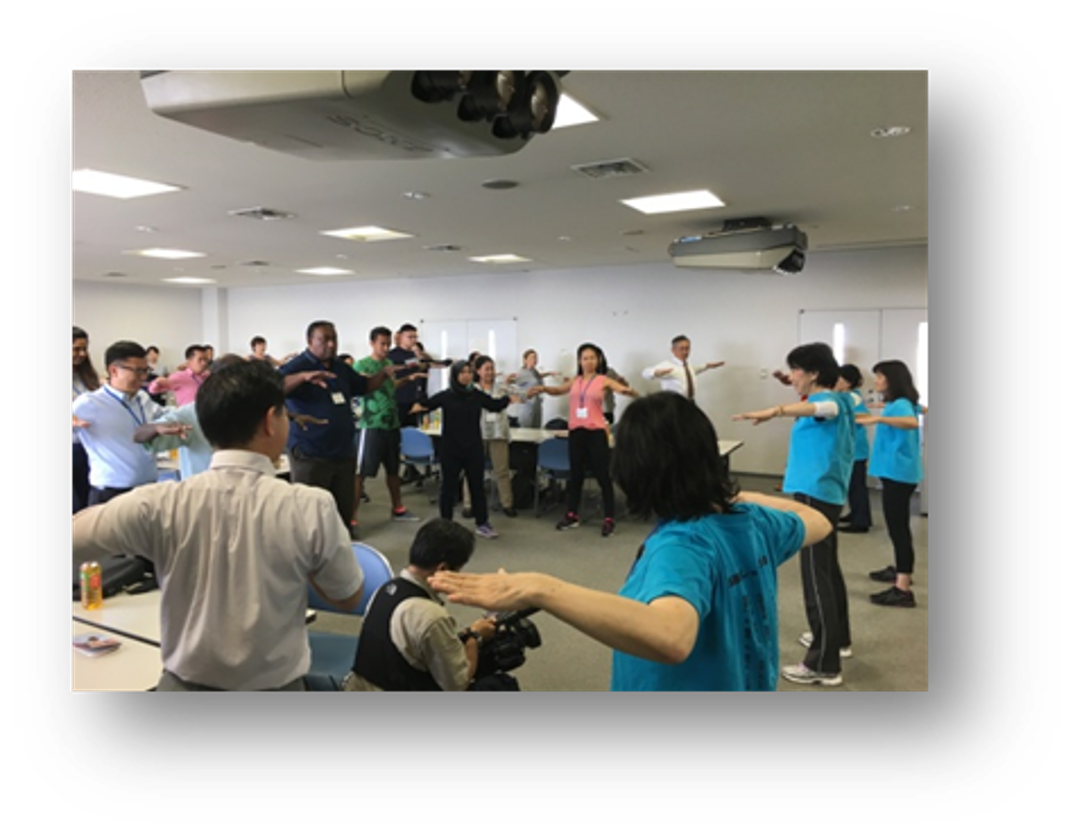
NIPH operated the workshops with WPRO and coordinated field visits in Japan.
- Meeting report for LeAd NCD 2013
https://iris.who.int/server/api/core/bitstreams/3df56e4e-2dc6-45d0-97b9-b16ce39be894/content - Meeting report for LeAd NCD 2014
https://iris.who.int/server/api/core/bitstreams/655ff64f-154e-45e4-93de-8926db2b0241/content - Meeting report for LeAd NCD 2015
https://iris.who.int/server/api/core/bitstreams/912804c3-3fbb-49b4-b8cb-418557e82386/content - Meeting report for LeAd NCD 2016
https://iris.who.int/server/api/core/bitstreams/09770ed9-1622-4bad-b09c-233913ec29cf/content - Meeting report for LeAd NCD 2017
https://iris.who.int/server/api/core/bitstreams/72947610-5697-4fe2-b2fb-6f0e95893032/content - Meeting report for LeAd NCD 2019
https://iris.who.int/server/api/core/bitstreams/f38cc7bb-786f-4d9f-ad54-385d367e467c/content

Technical Assistance
As a chair
WHO/WPRO Technical Advisory Group on NCDs
As temporal expertise
- Meeting on Sensory Function in the Western Pacific Region
- 7th Global Ministerial Summit on Patient Safety 2025
- Meeting of the Technical Advisory Group on Noncommunicable Disease Prevention and Control in the Western Pacific Region
- Seventh Meeting of the Technical Advisory Group on Universal Health Coverage in the WPRO
- Workshop on models of effective service delivery for primary health care and reaching the unreached in WPRO
- Member State Consultation on the Draft Regional Action Framework on Communication for Health (C4H)
- WHO 3rd Global Rehabilitation 2030 meeting
- Global Conference: Engaging Patients for Patient
Research
Implementation of research on related topics
Category 1: Global Health
- UHC indicators
- Ageing policies
- Elderly care quality
- Nutrition challenges
- Health information systems
- Patient safety
- PHC strategies
These efforts aim to support global health goals, especially SDG3, and promote evidence-based approaches for achieving Universal Health Coverage by 2030.
Category 2: Health topics
- Maternal and child health nutrition
- Long-term care
- Ageing
- Health crisis management
- Oral health
They focus on developing evaluation methods, improving care quality, and strengthening systems for health promotion and emergency response, contributing to inclusive, community-based, and resilient health services across various populations and life stages.
Category 3: Health system
- Improving health service delivery
- Human resources development
- Cost-effectiveness analysis
- Hospital management training
- Public health workforce development
- Evidence-based policymaking
Emphasis is placed on regional collaboration, capacity building, and strengthening systems to support both routine and emergency health services, especially in local government and community settings.